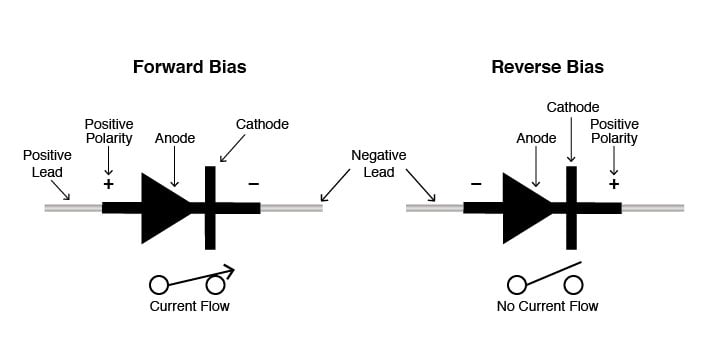
Toshiba Electronic Devices Storage Corporation Circuit Diagram A diode's working principle depends on the interaction of n-type and p-type semiconductors. An n-type semiconductor has plenty of free electrons and a very few numbers of holes. In other words, we can say that the concentration of free electrons is high and that of holes is very low in an n-type semiconductor.
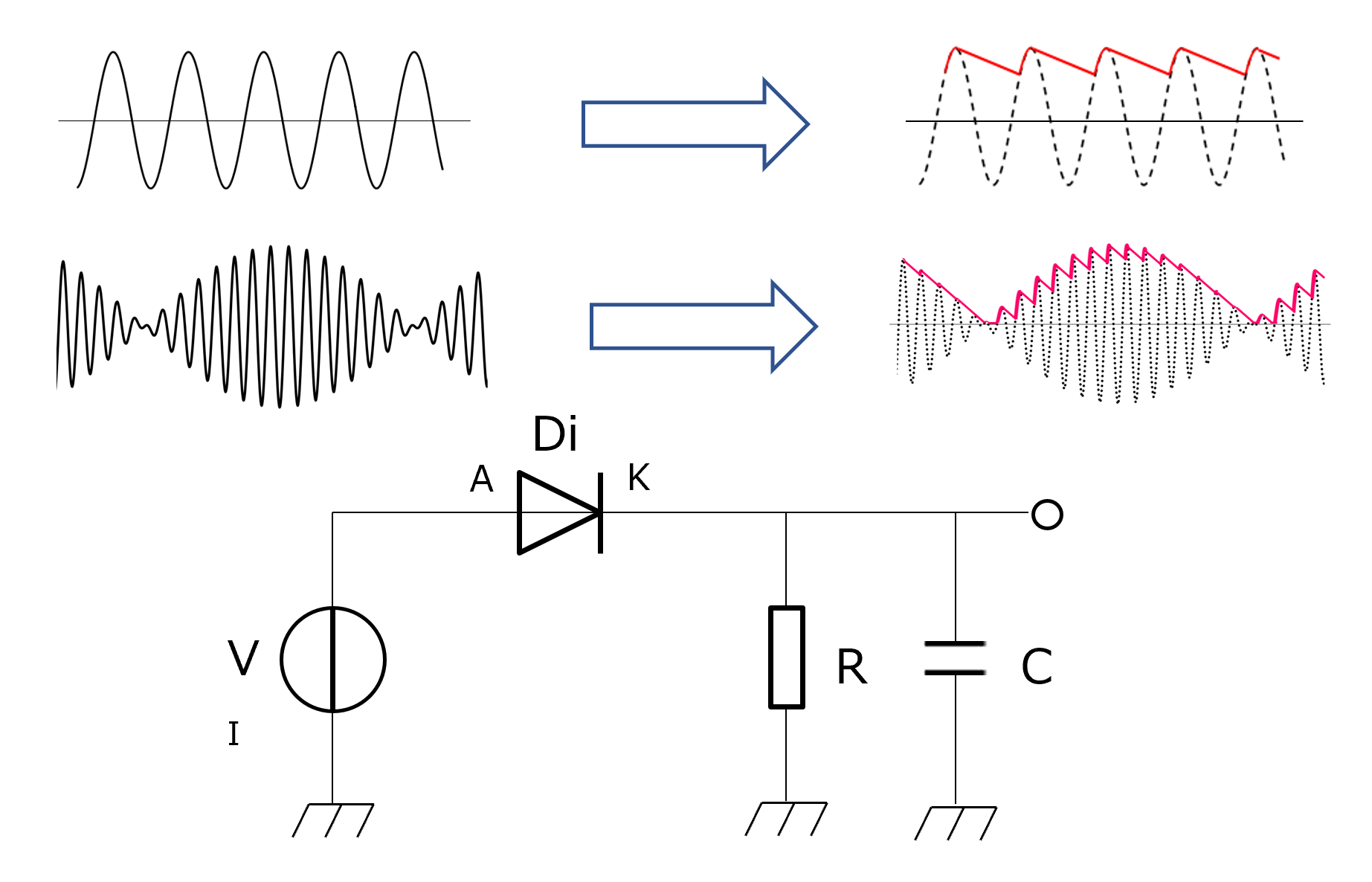
Learn what a diode is, how it works, and its different types and uses. A diode is a two-terminal device that allows current to flow in one direction and blocks it in another.

pn Junction Diode and Its Working Principle Circuit Diagram
Explore the world of diodes, essential two-terminal semiconductor devices. From materials like silicon and germanium to diverse types and applications, uncover the characteristics, working principles, and construction. Understand forward and reverse biasing, delve into semiconductor layers, and grasp the significance of the depletion region.

What is a Diode? A diode is the simplest semiconductor device made of a single PN junction, allowing current to flow in one direction while blocking it in the opposite direction.It is widely used in electronic circuits for rectification, protection, and signal processing.. Diode Working Principle. Its function is to let electric current flow in one direction but to prevent flow in the opposite
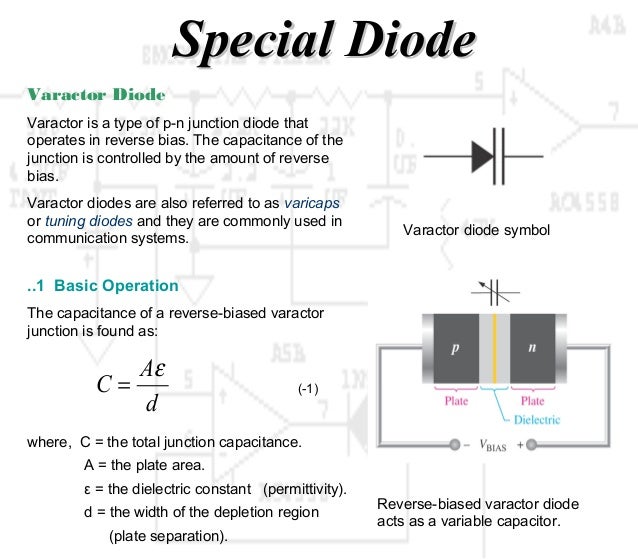
Construction - Electrical Academia Circuit Diagram
The current-moving regions within the diode can be divided into the P-region, N-region, and the internal electric field. Working together, they ultimately facilitate current conduction and restriction. In this article, TechSparks will introduce the working principle of a diode by explaining the formation of the P-N junction.